Research
My research is in macro development and economic geography, with a focus on structural transformation and spatial mobility.
From Roots to Branches
The Role of Families in Structural Change
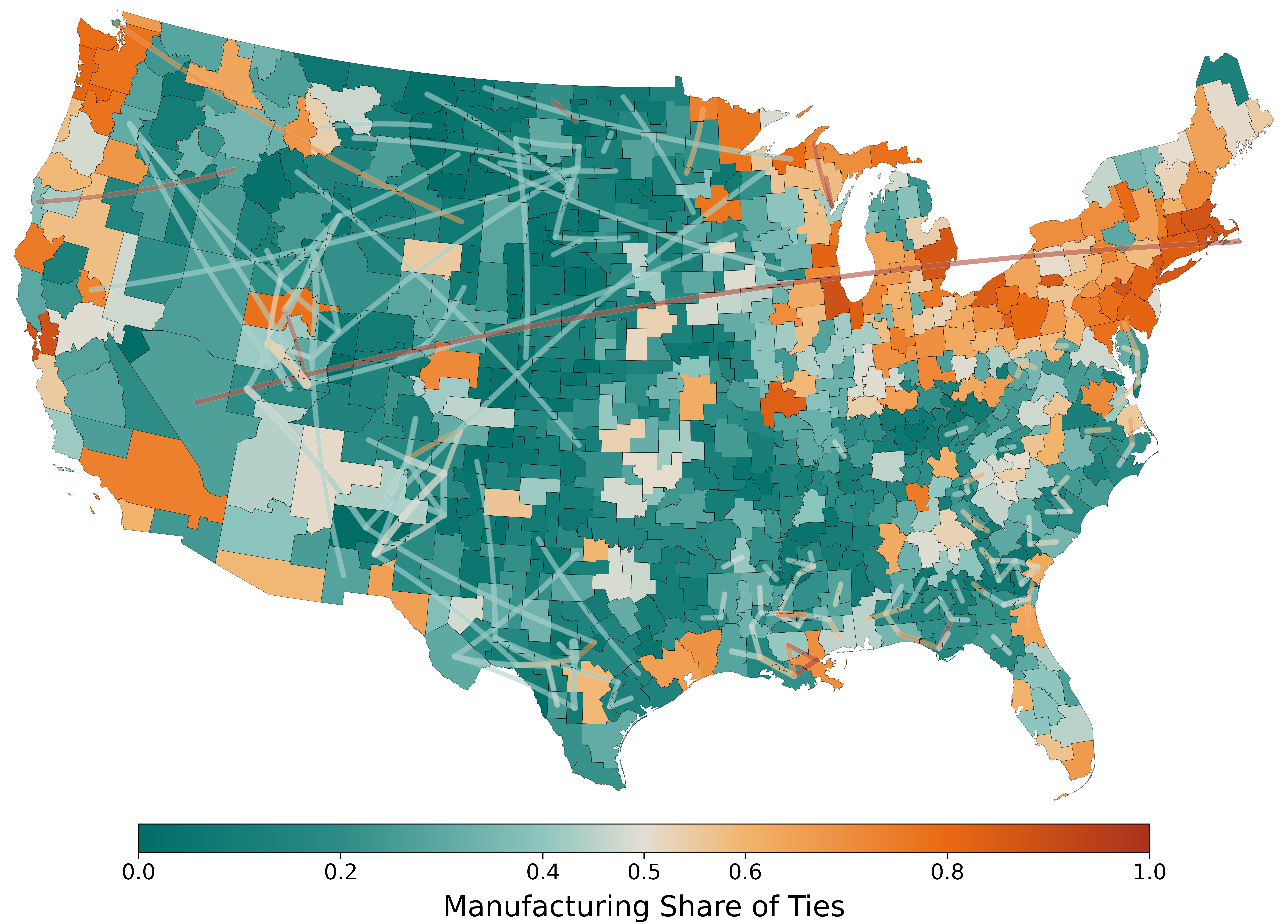
Abstract. Economic opportunities differ sharply across sectors and places, but workers face barriers to reaching them. Kin can reinforce these barriers when relatives are concentrated in existing sectors and locations, but kin in expanding sectors and at destinations can facilitate reallocation. I reconstruct extended kin for 32 million individuals and use deaths of relatives to show that sector-employed kin increase same-sector employment, local kin reduce migration and relatives at destinations redirect migration. I embed these forces in a dynamic spatial model in which workers’ choices reshape the kinship connections available to other relatives and later generations. Kin account for roughly 10–15% of sectoral and migration barriers. Their initial concentration in agriculture and less industrialized places slows structural transformation, but evolving kin connections offset about 90% of this drag by 1970, raising the manufacturing share by 2.05 percentage points and advancing the transition by about seven years. With a moving voucher, spillovers to other kin raise long-run manufacturing and earnings gains, while the same budget induces about three times as many moves when more kin live at eligible destinations.
Unequal Global Convergence
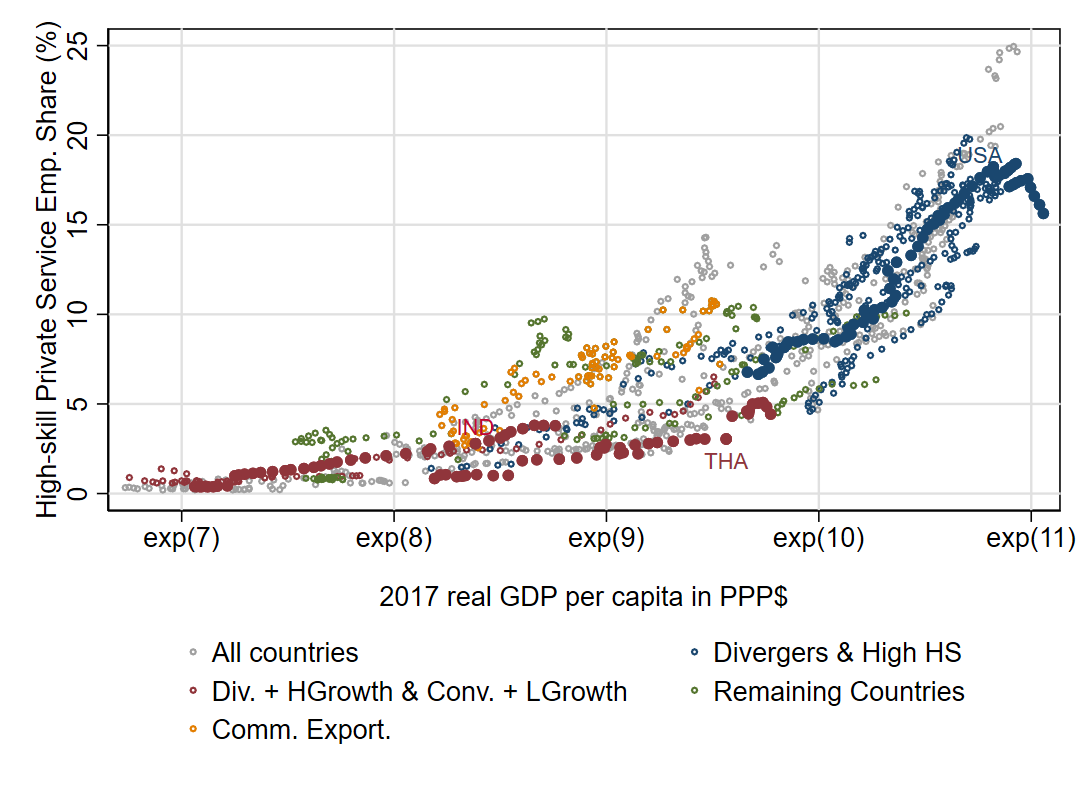
Abstract. We revisit the role of structural transformation in regional convergence using a new global dataset covering more than 1,500 regions in over 90 countries since 1980. Regional convergence declines over time and stalls in the most recent decade despite substantial remaining spatial inequality. This decline is associated with structural transformation toward high-skill services, which are more geographically concentrated than agriculture, manufacturing or other services. A spatial equilibrium model shows how the shift toward high-skill services can reinforce agglomeration and weaken regional convergence.
Read draft →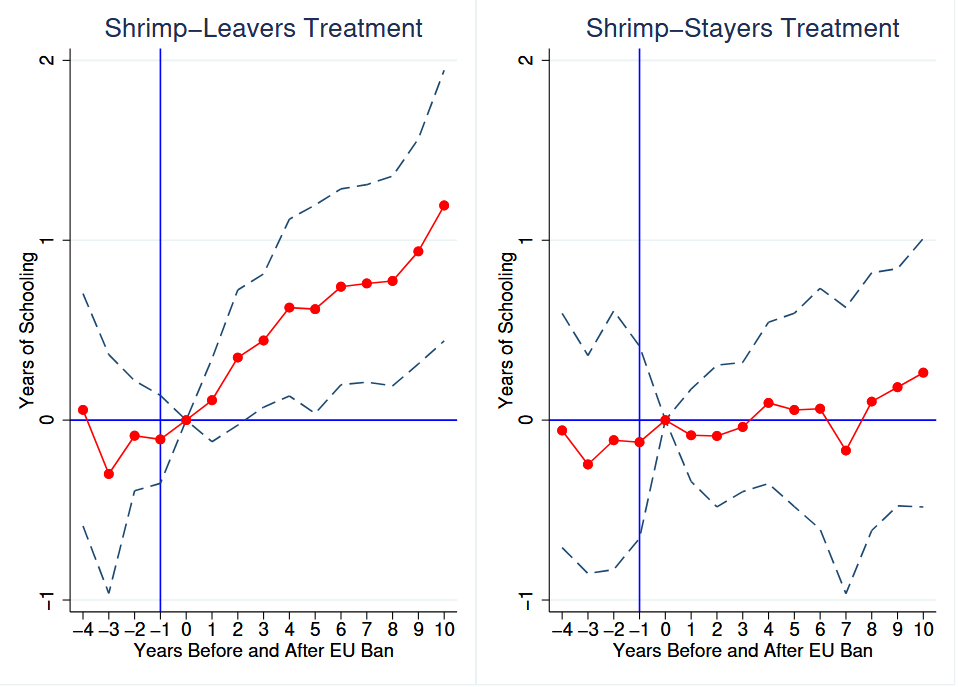
The Intergenerational Consequences of a Temporary Shock
Abstract. We exploit a temporary, sector-specific import restriction in Thailand to study the long-run consequences of a short-lived negative demand shock. The shock induces persistent sectoral reallocation, with heterogeneous effects on income, assets and education across households that leave or remain in the affected sector. The results highlight how temporary shocks can generate lasting changes in occupational choices and intergenerational outcomes.
New draft coming soon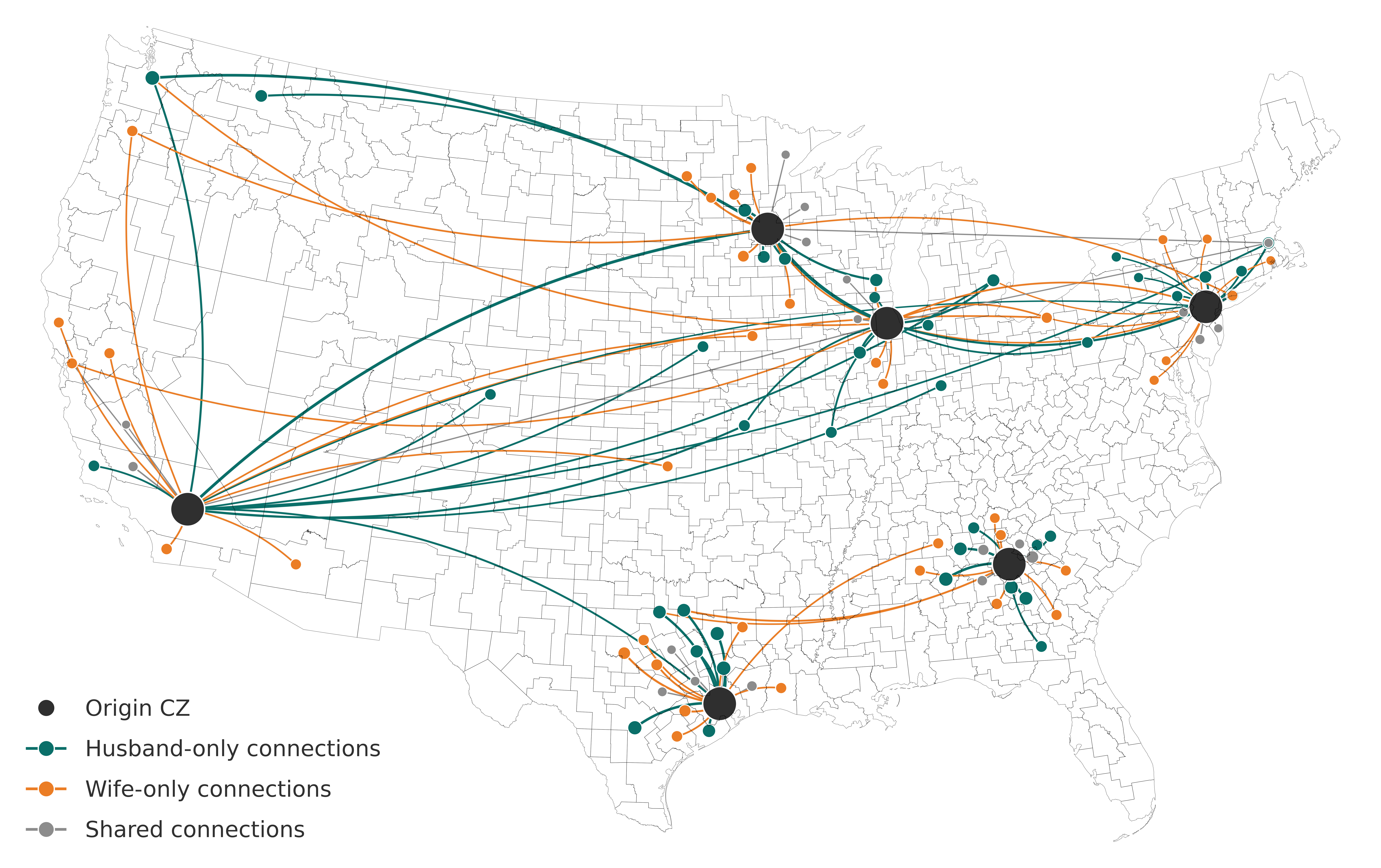
Inheriting Geography
Marriage and the Intergenerational Spatial Transmission of Opportunity
Abstract. Children inherit not only resources from their parents but also a geography: where they grow up and the places to which their family is connected. I study how marriage shapes this inheritance across U.S. families from 1880 to 1950. Marriage expands the set of family-connected places by 59%. Within families, people are more likely to settle near a spouse’s relatives and their children are more likely to settle in places introduced through the marriage, including destinations where neither parent ever lived. I develop a two-generation location model to quantify these effects. Family ties strongly anchor parents to inherited locations: removing family proximity makes couples about 20 percentage points less likely to settle in a spouse's premarital commuting zone and weakens the relationship between parents' socioeconomic status and the destination wage their children reach by about one third. These constraints are strongest for children of poorer parents, and most of the intergenerational effect operates through where parents settle rather than through destinations children inherit directly.
Read paper →